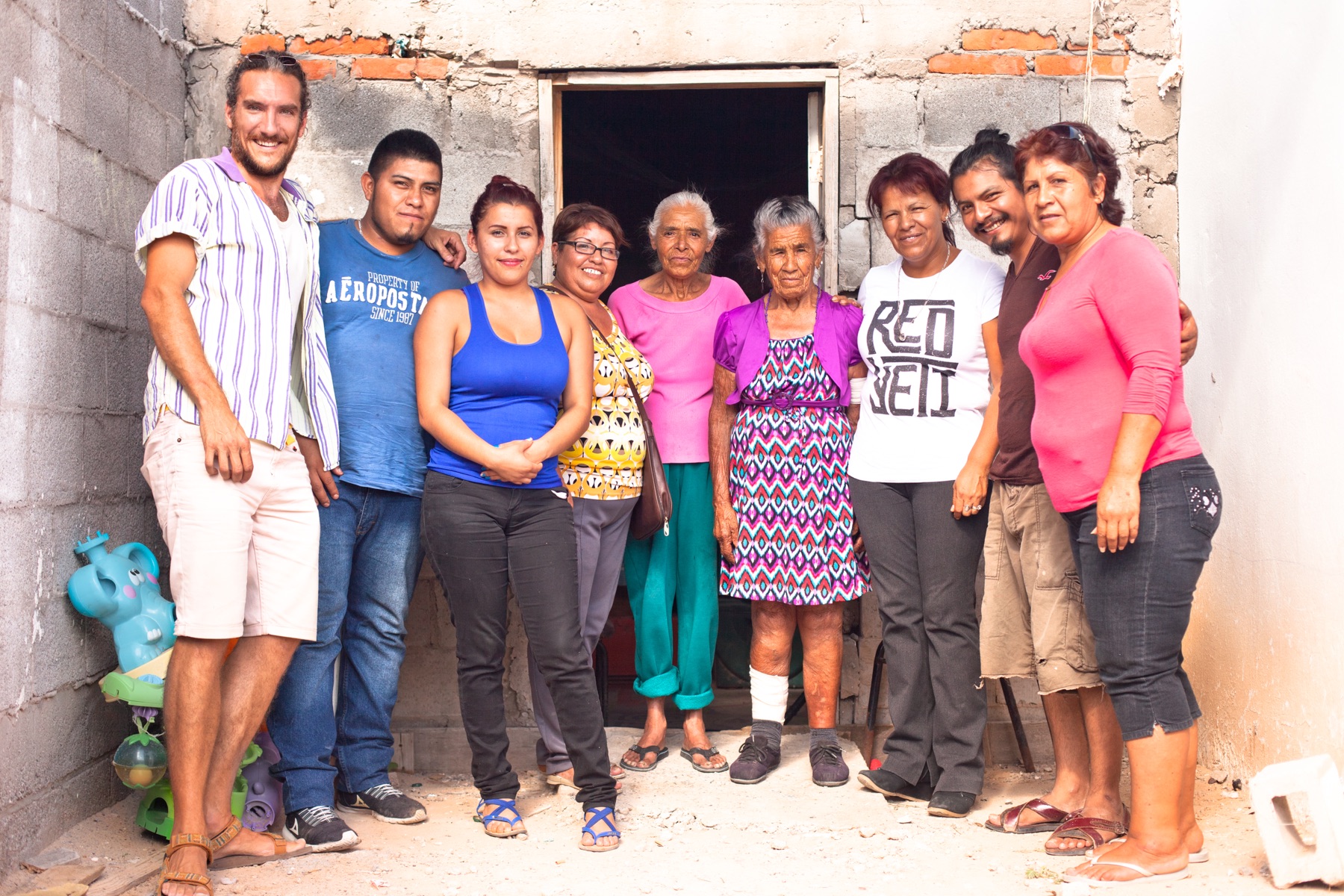
“Listen to us.” Five mothers whose daughters were taken in Ciudad Juárez, and the people who walk beside them, in their own words.
These testimonies speak about violence against women and girls. They were recorded in August 2017. Some details have been left out to protect the families.
Before you begin
Listen first
For years the mothers of Ciudad Juárez have been interviewed, filmed and represented by others, and many told us the help raised in their names never reached them. Juana Villalobos puts it simply: support should be “directly with the mothers.”
So this page is built the other way round. You will hear each of them speak, read what they asked for, and then, if it moves you, make a pledge. Nothing is charged. Your pledge is a promise we take back to the mothers, so they can tell us what they need now and how it should reach them safely.
1 · ListenWatch each mother tell her story, in Spanish with English subtitles.
2 · UnderstandRead what she asked for, and what has already been done.
3 · ConsiderThink about what you, specifically, could offer.
4 · PledgePromise your support. We return to the mothers with it.
The city
Ciudad Juárez
“Everyone comes here and says: the most violent city in the world, femicide, corruption,” says the historian Gerónimo Fong. “But nobody asks: how is it possible?”
Ciudad Juárez began as Paso del Norte, a crossing on the Río Bravo. When the river became the border with the United States in 1848, the town became a place of passage, and of business. For over a century, he explains, a small number of families shaped it: through trade, land, and later the factories.
1885 · A free-trade zone makes the border a place to do business.
1888 · The town is renamed Ciudad Juárez.
1965 · The border industrialisation programme begins: the maquilas, factories assembling goods for export.
1970s–80s · The factories boom. Young women arrive from all over Mexico to work in them. Juárez becomes, in his words, a city of opportunity for women.
From the 1990s · Women and girls begin to be murdered and disappeared, in numbers that keep rising. The authorities blame the women themselves, for working, for going out, for living independently, and the killers go unpunished.
For Gerónimo the question is not only who commits these crimes, but “the society that allows it, the society that fails to organise as one and say: let's put a stop to this.”
Gerónimo Fong, historian, August 2017
The mothers in these films live in the city's poorer neighbourhoods. As Juana says: “They go after people who don't have the resources, who can't search for their daughters.”
1992
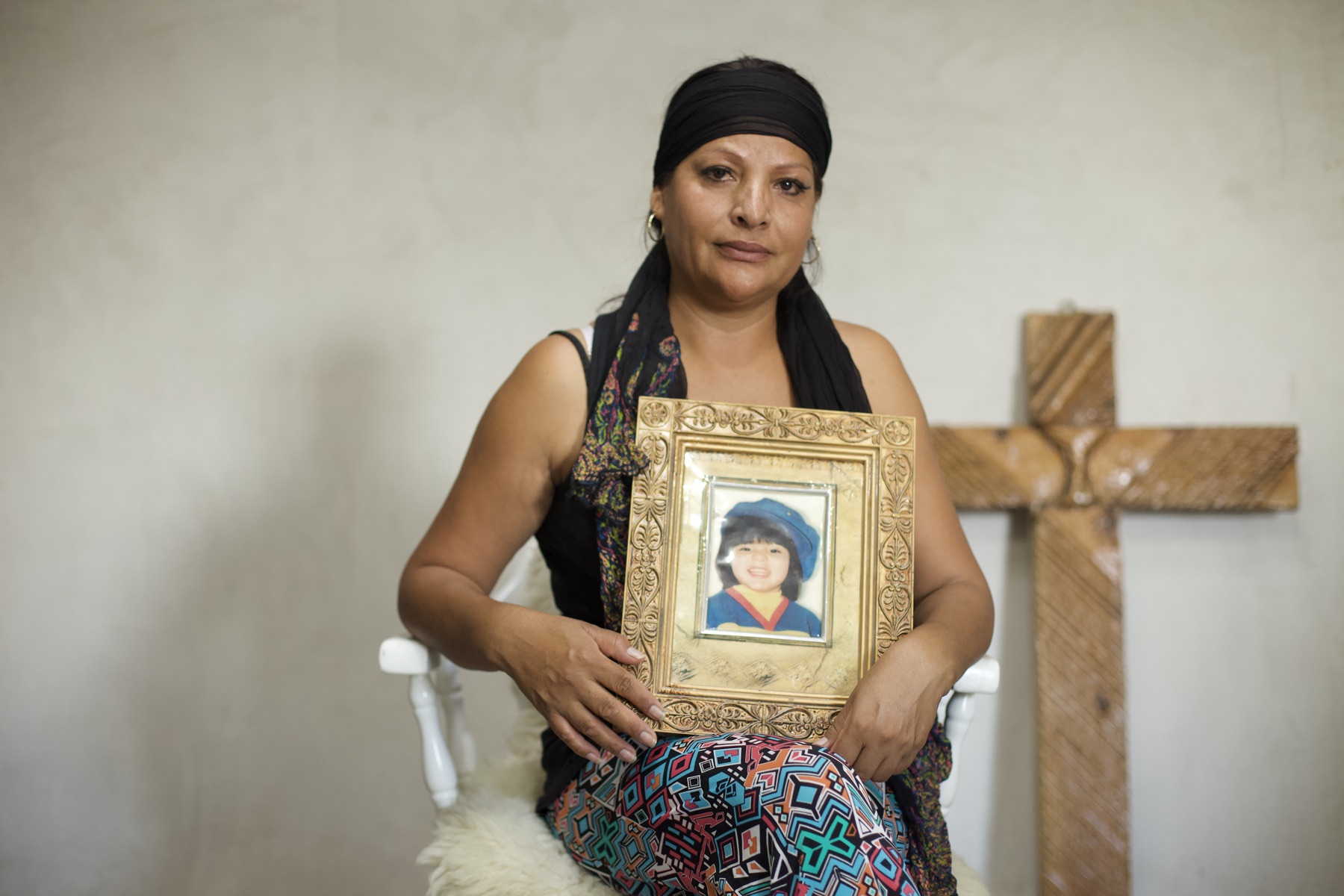
Oralia Hernández Gómez
Mother of Verónica, who was three years old.
Verónica disappeared in July 1992 and was found three days later near the railway lines. It was one of the first cases in what became known as the femicides of Juárez. Oralia was in her early twenties, with a three-month-old baby. Three suspects were released; the evidence was later thrown away.
She chose to fight alone. Twenty-five years later her message to the authorities is short.
Oralia, August 2017 · 1 min
“They have resources. What they lack is will.”“Tienen recurso, lo que no tienen es voluntad.”
What she asked for in 2017
Action from the authorities, not speeches.
Mental-health and good medical care for the mothers, many of whom are ill with grief.
Money spent on the families' well-being, not on monuments.
What she asks now
We will ask Oralia what she needs today, and add it here.
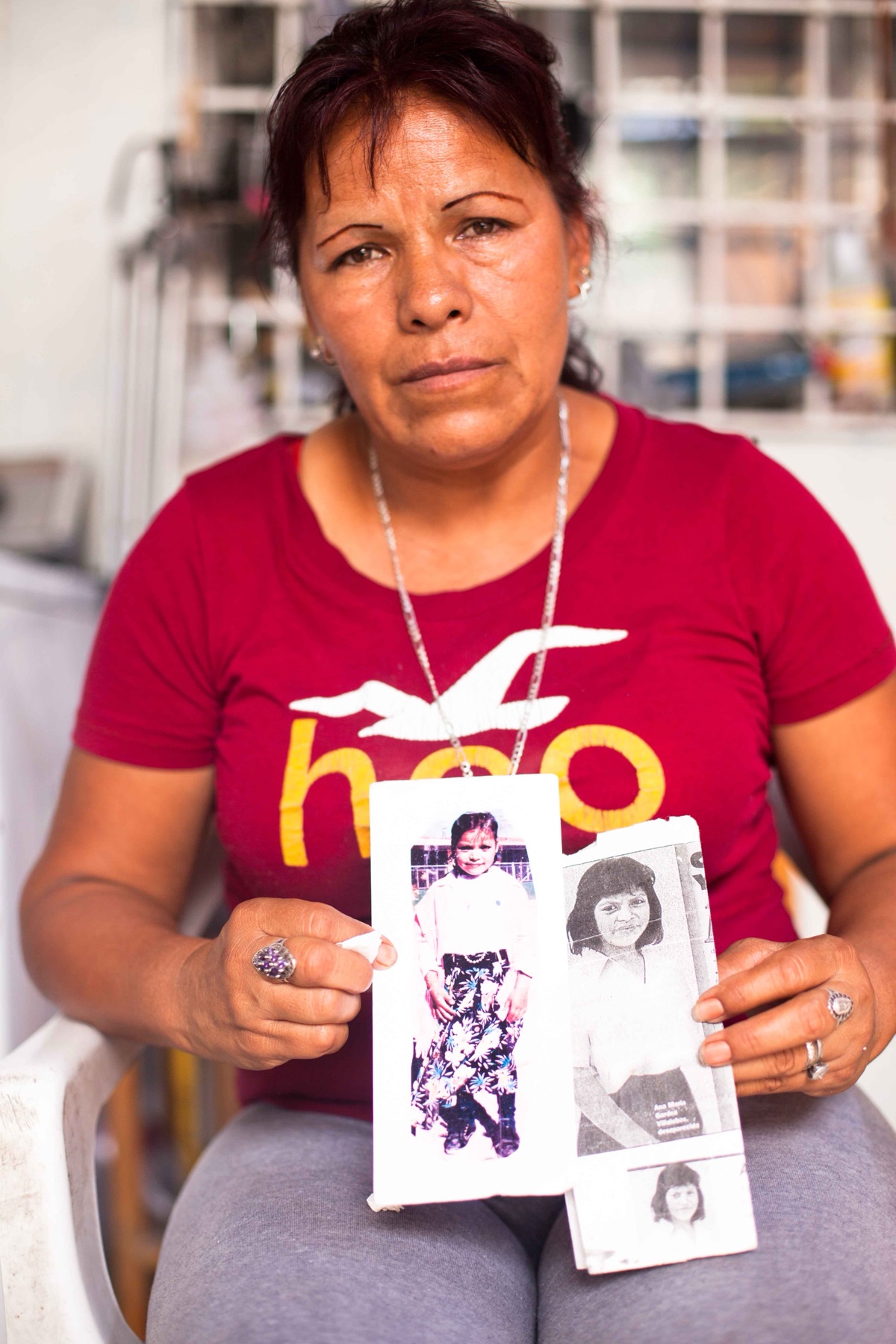
Mother of Ana María Gardea Villalobos, who was ten years old.
Juana raised her children alone, working in two factories. Ana María looked after her younger siblings, fetched tortillas for the neighbours, and when her mother was ill promised her: “Mum, when I grow up, I'm going to give you your own little house.”
On a Saturday in Holy Week 1997, Ana María went out while Juana was buying her a pair of second-hand shoes. She never came home. Juana has never been sure that the body returned to her was her daughter's.
Since then she has worked as a bricklayer, a plumber and a cleaner, and become one of the strongest voices among the mothers.
Juana, August 2017 · 1 min 17 s
“If any of you want to support us, we accept it, but let it be directly with the mothers.”“…los aceptamos, pero que sea directamente con las mamás.”
What she asked for in 2017
Support given directly to the mothers, not through organisations.
Help with the debt left on her house, and homes for other mothers.
Done: the mothers' trip to Mexico City to press for housing was funded directly by people who heard her, and it happened.
Justice, and help to keep searching.
What she asks now
We will ask Juana what she and the other mothers need today, and add it here.
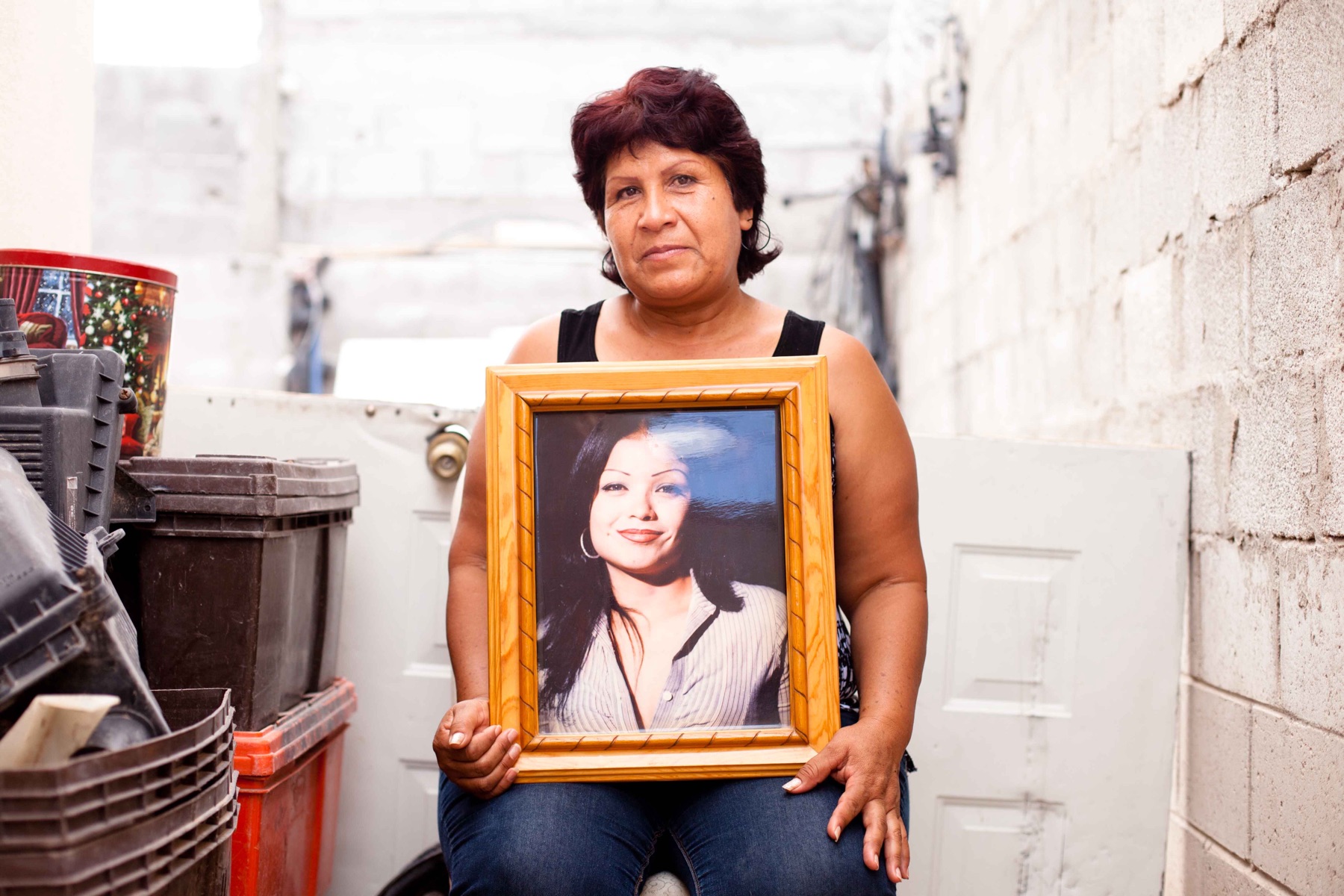
Norma came to Juárez from Torreón with her young children, looking for a better life. Her daughter Fabiola, separated and living alone with her two-year-old son, was killed in her rented home in December 2002. Fifteen years later no one had been arrested.
Norma raised her grandson alone, getting by on what she could collect and resell. “He was the boy she left me. He was my strength to carry on.”
Norma, August 2017 · 1 min 24 s
“Each mother is different, and will have different needs. With each mother directly.”“…cada mamá es diferente, tendrá diferentes necesidades.”
What she asked for in 2017
Justice: no one has ever been arrested.
A home for her grandson's future.
Work, so she could save for that home.
Help given to each mother directly, according to her needs.
What she asks now
We will ask Norma what she needs today, and add it here.
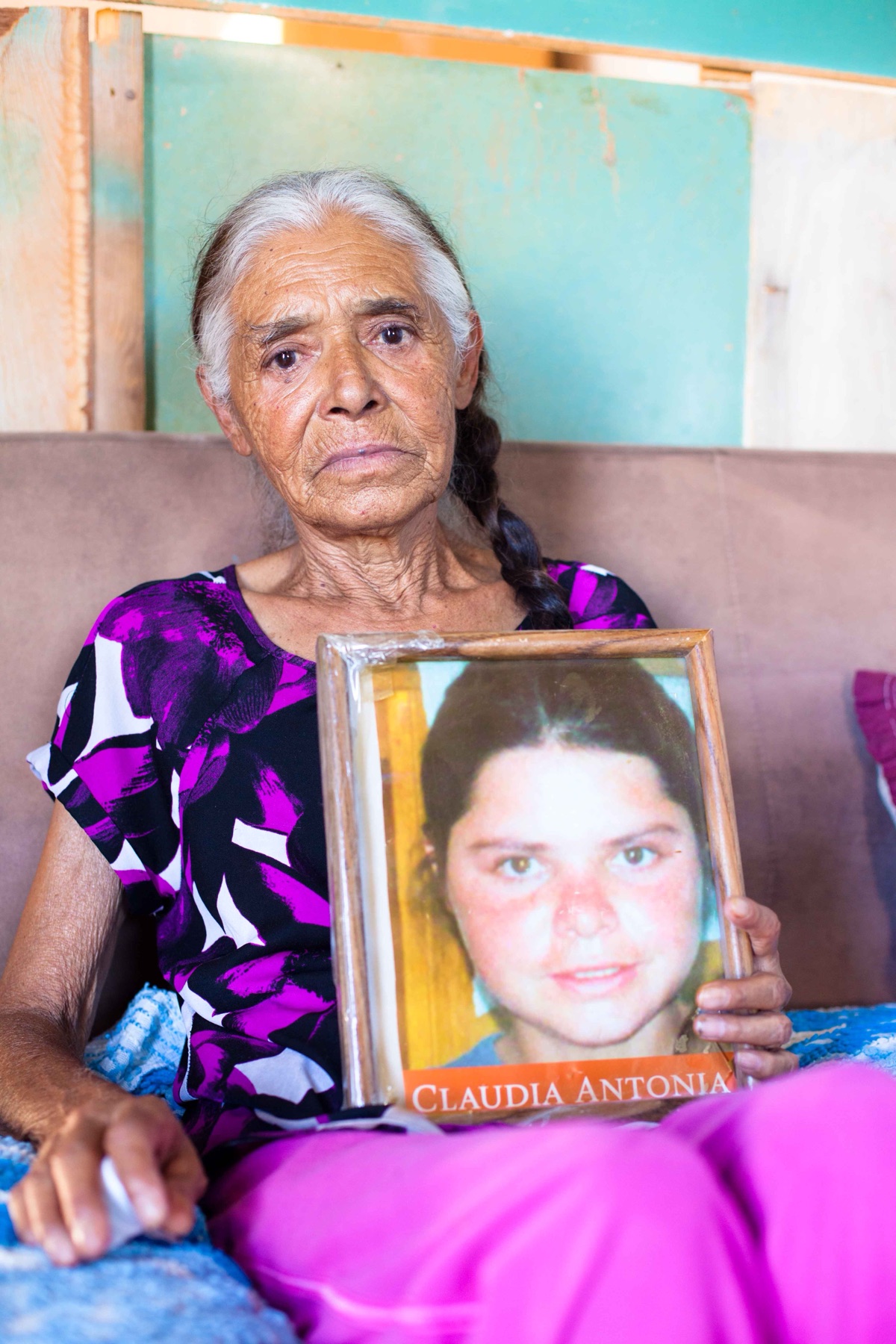
Mother of Claudia Antonia Núñez, who disappeared and has never been found.
Doña Mode left her ranch for a borrowed house in Juárez so she could keep searching. For years she searched alone, through towns and across the sierra, under the sun. She marched with the other mothers to the state capital. When we met her she had cancer and was raising her daughter's children.
Doña Modesta has since passed away. We share her words in her memory, and in the hope that her daughter is one day found.
Doña Modesta, August 2017 · 1 min 26 s
“I spent my time searching for her alone, in every town, in the mountains, everywhere.”“Yo sola me la pasaba buscándola por todos los pueblos, por la sierra, por donde sea.”
2012
Emilia Fernández Vásquez
Mother of Marlene, who was about twenty.
Emilia came to Juárez from Oaxaca. In 2012 her daughter Marlene went out saying “I'll be right back,” and never returned. The remains Emilia was later given did not match what she knew of her daughter; she buried them, “but inside I feel it isn't my daughter.”
She is raising Marlene's son. Before she disappeared, Marlene had planned to build a room for him.
Emilia, August 2017 · 1 min 30 s
“We want to build the room for her son, to fulfil her wish.”
What she asked for in 2017
Help to build the room Marlene had planned for her son. Her husband had started the foundations.
Legal support in the family's case for her grandson.
A proper investigation into what happened to her daughter.
What she asks now
We will ask Emilia what she needs today, and add it here.
Two people who have stood with the mothers for years explain what works, and what does harm.
Gabriel Ángel Pérez
Gabriel Ángel Pérez
A Zapotec artisan from Oaxaca who has supported the mothers personally, outside the organisations, driving them to marches and running workshops with them. Listen first, he says, and let the mothers find their own path.
“Build a direct connection, check that the support reaches the person it should, and make personal visits.”
Vanessa Vargas Hernández
Vanessa Vargas Hernández
An organiser who works alongside the mothers. She has seen gifts of money and equipment to one mother cause splits, and fail. Support should be shared, decided together, and help the mothers build their own work and income.
“I think it's asking for it to be democratic. The help, for it to belong to everyone.”
Your answer
Make a pledge
A pledge is a promise, not a payment. No money is taken here and no bank details are asked for.
After a few weeks we will go back to the mothers with what has been pledged, and ask them which of their requests still stand, what they need now, and how support can reach them fairly and safely, shared among them as they decide, so that no one is put at risk.
Thank you. If your email app didn't open, please write to strategiesofsolidarity@gmail.com with your pledge.
“Thank you for listening to us, and I look forward to your answer.” — Juana Villalobos